
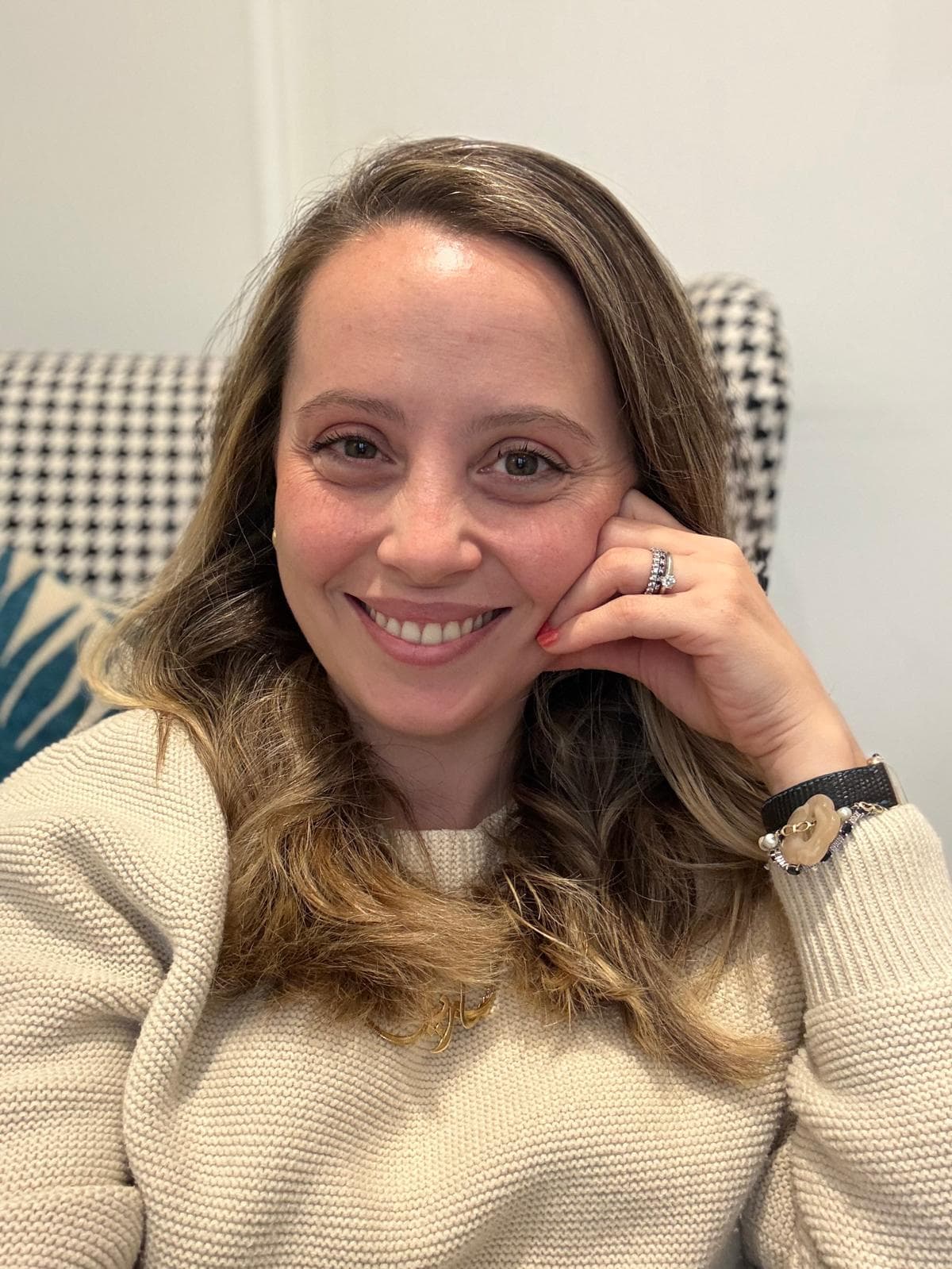
Therapist · Barcelona
You don't need to have everything figured out. We can start wherever you are.
I'm Maria Lucia Pardo, a therapist originally from Colombia and now based in Barcelona. I work in English and Spanish, offering both in-person sessions in Barcelona and online therapy.
A little about me
I'm Maria Lucia Pardo, a therapist originally from Colombia and now based in Barcelona.
My journey to Spain began through my studies. I moved here to pursue my Master's degrees in Clinical Psychology and Mindfulness, initially imagining Spain as the next chapter in my academic and professional life. Life, however, had other plans. Along the way, I fell in love with a Moroccan man, built a life here, and stayed.
Ten years later, Barcelona is home.
Living between cultures and building a life far from where I grew up has shaped me both personally and professionally. It has given me a deep appreciation for the different experiences, beliefs, expectations and relationships that shape who we are. It has also taught me that there is rarely one simple way of understanding a person or what they are going through.
These experiences are part of what I bring into my work: curiosity, openness, compassion and a genuine interest in understanding each person as an individual.
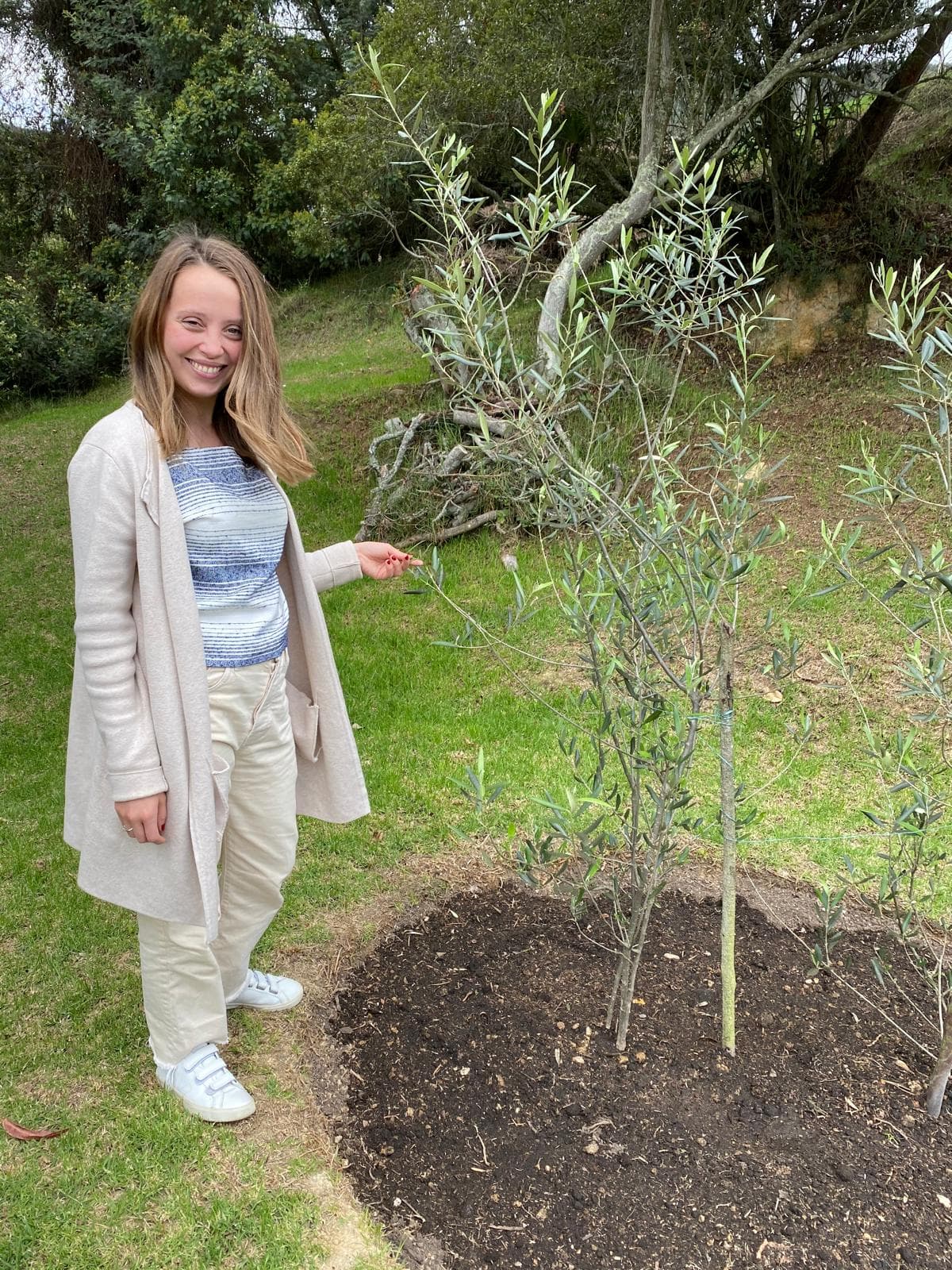

My approach to therapy
A CBT foundation
My therapeutic foundation is Cognitive Behavioural Therapy (CBT), which helps us understand the relationship between our thoughts, emotions and behaviours.
Emotions as messengers
I believe that understanding our thoughts and emotions is fundamental to creating meaningful change. Our emotions are not something we need to fight, suppress or get rid of. They can be important messengers, giving us information about our needs, experiences, boundaries and what is happening within us.
Read more
When we learn to recognise and understand our emotions, we can begin to respond to them with greater awareness and choice, rather than feeling controlled or overwhelmed by them.
Listening to the body
I also believe that our bodies are constantly communicating with us. Sometimes our body notices something before our conscious mind does. A tight chest, a tense jaw, changes in breathing, a racing heart or that feeling in your stomach can all be cues that something is happening emotionally.
Read more
Learning to notice and understand these signals can help us become more aware of our emotional experiences, recognise what we are feeling, and develop healthier ways of regulating those emotions.
Mindfulness & inner-child work
This is where mindfulness, meditation and somatic practices can become valuable parts of the therapeutic process. They can help us slow down, become more present, connect with our bodies and develop a deeper awareness of the relationship between our thoughts, emotions and physical experiences.
Read more
When appropriate, I also incorporate inner-child work. This can give us an opportunity to gently explore earlier experiences, emotional needs and patterns that may have developed over time, and to understand how these experiences can continue to influence the way we relate to ourselves and others today.
Therapy that is personal to you
I don't believe therapy should be a one-size-fits-all experience.
Every person arrives with a different history, personality, set of relationships and way of making sense of the world. My role is not to tell you who you should be, but to help you better understand yourself and develop the awareness and tools that allow you to make different choices.
Together, we can explore the patterns that may be keeping you stuck, understand what your emotions are trying to communicate, recognise the ways your body responds to experiences, and build practical strategies for navigating difficult moments.
My approach combines evidence-based therapeutic work with mindfulness and body awareness, creating space for both understanding and experience.

Who I work with
I work with individuals and couples who may be experiencing:
- Anxiety, stress or emotional overwhelm
- Difficulties with self-esteem or self-confidence
- Relationship challenges and recurring patterns
- Communication difficulties
- Differences in expectations within relationships
- Life transitions and periods of uncertainty
- Grief and the loss of a loved one
- Feeling disconnected from yourself or your emotions
- Difficulty understanding or regulating emotions
- Patterns from the past that continue to affect the present
How I can help
Working with couples
Our closest relationships can bring us some of our greatest joy, but they can also activate some of our deepest fears, insecurities and emotional needs.
When couples come to therapy, they often arrive feeling stuck in the same cycle: the same argument, the same misunderstanding, the same feeling of not being heard. Sometimes the issue appears to be about communication, but underneath it there may be very different needs, expectations, fears or ways of experiencing closeness.
I believe that understanding what is happening beneath the conflict is an important part of creating change.
In couples therapy, we can explore not only what you are arguing about, but also what is happening emotionally for each of you when the conflict begins. We look at the patterns you have developed together, how you respond to one another, what you need but may struggle to express, and the expectations you each bring into the relationship.
I help couples develop greater awareness of their own emotional responses and learn to recognise the cues in their bodies that can signal when they are becoming overwhelmed, defensive, hurt or disconnected. This awareness can create a pause between feeling and reacting, giving each partner more choice in how they respond.
We also work on communication: learning to express needs and emotions more clearly, listen without immediately becoming defensive, and create space for both partners to feel heard and understood.
For me, couples therapy is not about deciding who is right or wrong, or taking sides. It is about understanding the relationship as a system and helping both people understand themselves, each other and the dynamic they have created together.
Because beneath many relationship conflicts, there is often a longing to feel understood, valued, safe and connected.
Working with grief
Grief can change the way we experience ourselves and the world around us.
When we lose someone we love, there is no correct timeline or single way to grieve. Therapy can offer a safe space to process the loss, make sense of difficult emotions and gradually find ways to carry the experience with you.
There is no expectation to simply “move on.” Instead, we can work together to understand and make space for whatever your grief looks like.
Working with parents
Parenthood can be one of the most transformative experiences in life. It can also be one of the most challenging.
As parents, we often carry an enormous amount: the responsibility of caring for another person, the pressure to get things right, changing relationships, exhaustion, competing expectations and, sometimes, the feeling that we have lost touch with ourselves somewhere along the way.
I work with parents who may be feeling overwhelmed, guilty, anxious, disconnected or simply unsure of how to navigate the demands of parenting while also looking after their own emotional wellbeing.
My work with parents is informed by my clinical training as well as my own experience of parenthood. I understand that knowing something intellectually and living it every day can be very different experiences.
Together, we can explore the thoughts, emotions and expectations that arise in your parenting journey, including the pressure you may place on yourself to be a “good” or “perfect” parent.
We can also explore how your own childhood experiences may influence the way you respond to your children. Sometimes our strongest reactions as parents can connect us to experiences, beliefs or unmet needs from our own past. Developing awareness of these patterns can help us create more choice in how we respond.
Rather than aiming for perfect parenting, I believe in creating more conscious, connected and compassionate relationships with our children and with ourselves.
Working with mothers-to-be and new mothers
Pregnancy and becoming a mother can be a profound and transformative experience. It can bring love, excitement and anticipation, but it can also bring uncertainty, fear, overwhelm and emotions that you may not have expected.
The transition into motherhood can affect many parts of your life at once: your identity, your relationship, your body, your sense of independence, your expectations and the way you see yourself.
I offer a supportive space for mothers-to-be and new mothers to explore these changes without judgement.
Together, we can make space for the thoughts and emotions that come with pregnancy and motherhood, including anxiety, overwhelm, guilt, changes in identity, relationship difficulties, uncertainty about becoming a parent, or the pressure to feel a certain way during what is often portrayed as a purely joyful time.
We can also explore the gap between the motherhood you imagined and the motherhood you are actually experiencing. Sometimes the expectations we carry about pregnancy, birth, breastfeeding, bonding or parenting can create additional pressure when reality looks different.
My work with mothers is informed by both my professional training in Clinical Psychology and Mindfulness and my own experience as a parent. I understand that becoming a parent is not simply something we can understand intellectually. It is an experience that can affect us emotionally, physically and relationally in ways that are sometimes difficult to put into words.
I believe it is important to pay attention to all of these dimensions.
We can explore your thoughts and emotions while also developing awareness of how your body responds to stress, fear and overwhelm. Through mindfulness, somatic awareness and practical emotional-regulation tools, we can work towards feeling more grounded and connected during a period of significant change.
For mothers who are struggling with their sense of self, we can also explore the parts of you that existed before motherhood and how you can make space for both being a mother and continuing to be yourself.
And when appropriate, inner-child work can help us understand how our own experiences of being cared for may influence the way we experience motherhood today.
There is no single way to become a mother, and there is no requirement to feel a certain way.
You can love your baby deeply and still feel overwhelmed. You can be grateful and still struggle. You can want this experience and still find parts of it difficult.
There is room for all of it.
My aim is to offer you a space where you can slow down, be honest about what you're experiencing, and feel supported as you find your own way through this transition.
Working with expats
Moving to another country can open your life in ways you never imagined. It can also be one of the most quietly challenging experiences a person goes through.
Far from family, friends and the culture you grew up in, everyday life can take more energy than it used to. You may be navigating a new language, a different way of relating, questions of identity and belonging, or the feeling of living between two worlds, missing home while trying to build a life where you are.
There can also be grief in expat life: for the people and places left behind, for the version of yourself that existed there, or for the life you imagined before arriving.
I know this experience from the inside. I left Colombia to build a life in Barcelona, and living between cultures has shaped me both personally and professionally.
Together, we can make space for whatever your experience abroad looks like, whether that is loneliness, cultural adjustment, homesickness, relationship challenges or uncertainty about staying or returning, and work towards a greater sense of belonging and connection, wherever you are.

A space without judgement
Perhaps you know exactly what you want to work on. Or perhaps you simply have a feeling that something isn't quite right.
You don't need to have everything figured out before coming to therapy. You don't need to know the right words, and you don't need to know exactly where to begin.
We can start wherever you are.
I aim to create a warm, respectful and non-judgemental space where you can slow down, be curious about yourself and feel genuinely heard.
Therapy, for me, is about developing a deeper understanding of yourself: your thoughts, emotions, body, relationships and experiences. From that understanding come greater awareness, greater choice and ultimately a greater sense of connection with yourself and your life.
If you feel that we might be a good fit, I invite you to get in touch.
This isn't an emergency service. If you need urgent help in Spain, call 112, or 061 for medical emergencies.